Azgari Foundation
Micro-Entrepreneurship
For young people coming home from the juvenile justice system, a job is not the only path. Azgari's micro-entrepreneurship lane helps system-involved youth launch a real small business of their own — and stays with them for a year of operating support while it grows.
How it works
Students in the micro-entrepreneurship lane build the same foundation as every Azgari student — professional habits, communication, financial literacy — then apply it to a business they own: choosing the idea, pricing it, finding customers, and running the books. When the business launches, Azgari's support continues for a full year of operations.
The businesses
Every student in this lane starts one of three home-service businesses — chosen because they start lean, serve real neighborhood demand, and grow by route and reputation.



What you'll learn
Owning the business means running it like one. Students are taught the full job of an owner:
Business planning
Choose the offer, price it, and set goals you can measure.
Marketing
Find the first customers, earn reviews, and keep them coming back.
Financial management
Run the books, price for profit, and set money aside for taxes and repairs.
Decision making
Judge opportunities and solve problems the way an owner has to.
Business development
Grow from first customers to a full route — and, in time, a team.
Set up legally, backed for a year
We set up the legal and compliance side with you — registering the business, getting the licenses and insurance it needs, and keeping it compliant — so the business starts clean and stays clean. Then, for the first 12 months, Azgari helps you market and manage the business: reviewing the numbers with you, adjusting prices and routes, and making sure the business is growing, not just running.
Student referral partners
Young people reach this lane through the courts and programs that know them best. Two Travis County judges run programs that give people with records a real second chance — and their programs refer students to Azgari Foundation for training and business launch support.
Project Engage · 403rd District Court
Judge Brandy Mueller
Judge Mueller created Project Engage, a nationally recognized diversion docket for the youngest adults in the criminal justice system, ages 17–24. Participants work or attend school, complete community service, and receive counseling, mentorship, and help with résumés and jobs. The program is built so charges are dismissed in exchange for completing it — with free legal help available to expunge the dismissed charges — so a young person's record does not decide every job and housing application that follows.
SMART Re-Entry Court · 460th District Court
Judge Selena Alvarenga
Judge Alvarenga presides over the SMART Re-Entry Court, a specialized docket inside Travis County's SMART treatment program (Supervision and Monitoring for Alcohol Related Treatment) for adults on probation — including young adults coming home with a record. A treatment team staffs every case alongside the judge, and participants appear regularly: to catch problems early, and to have their progress recognized in open court. That structure is what makes finishing probation, rather than going back inside, the likely outcome — and the program's speaker series brings in employers who hire people with records.


Students who arrive through these courts form small teams, choose an idea together, and build the business as a group — planning it, pricing it, and packing the first products themselves.
Firsts that make a business possible
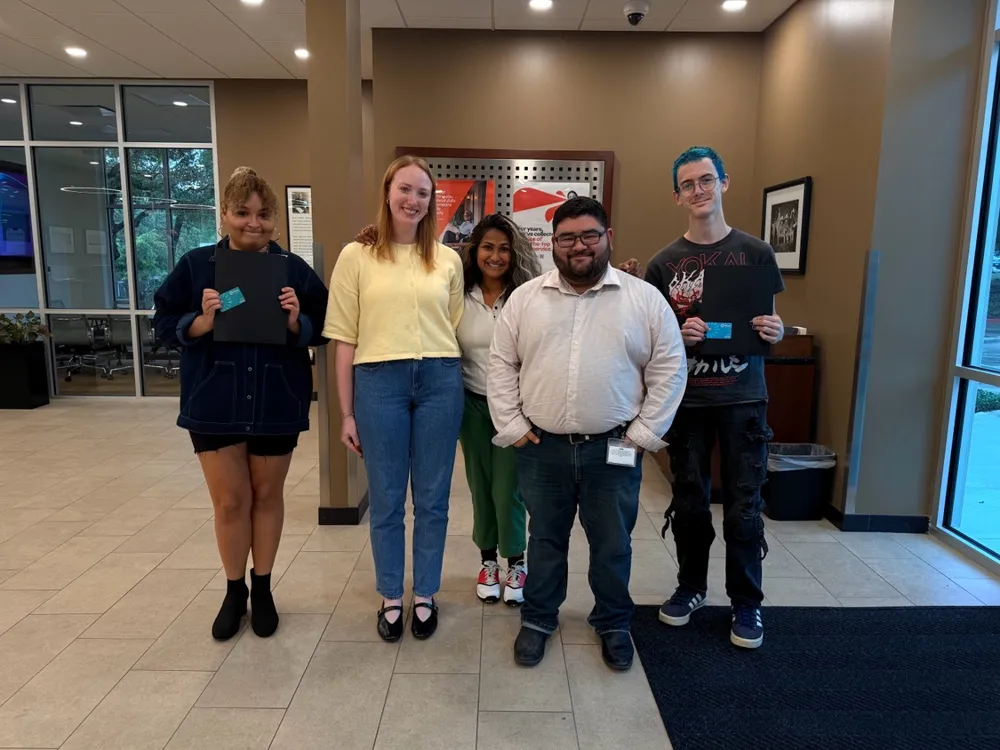
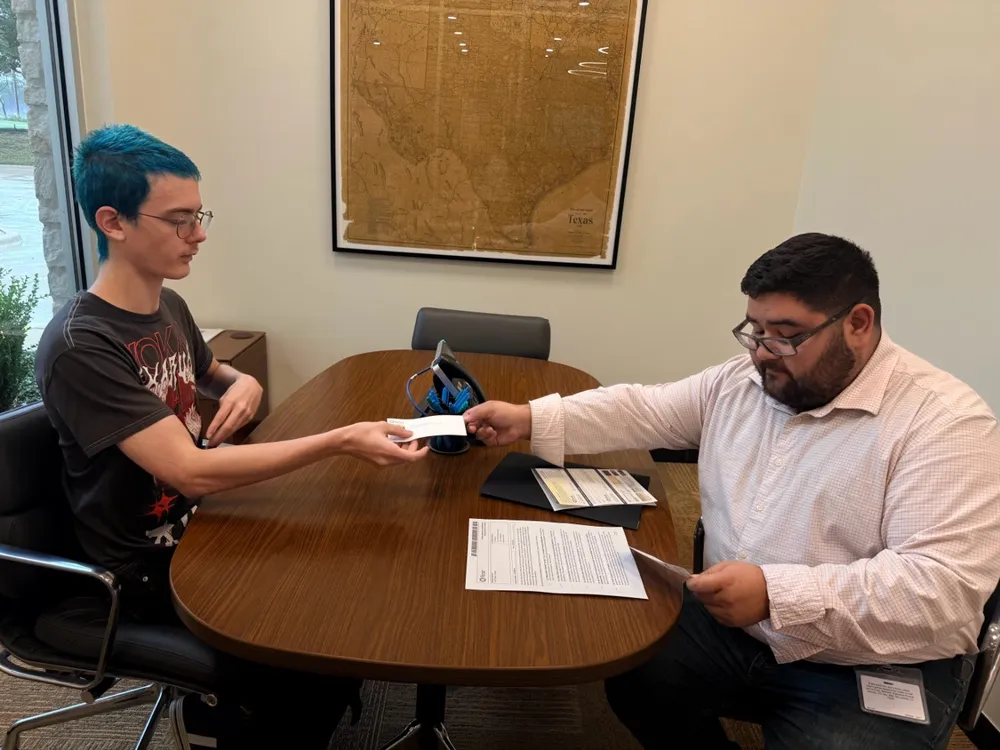
Every Azgari business owner starts with the same firsts — including a first bank account of their own.
Refer or support
Young people can apply directly — the application asks which path you want, and for this lane, which business you would start and why. Caseworkers and court programs can refer a young person. Supporters can fund a launch — every micro-business starts with training, a mentor, and a year of backing.